Hire a Custom Software Development Company
Looking to build a custom SaaS application? Learn how to vet, evaluate, and choose a custom software development company to launch your Next.js MVP on time.
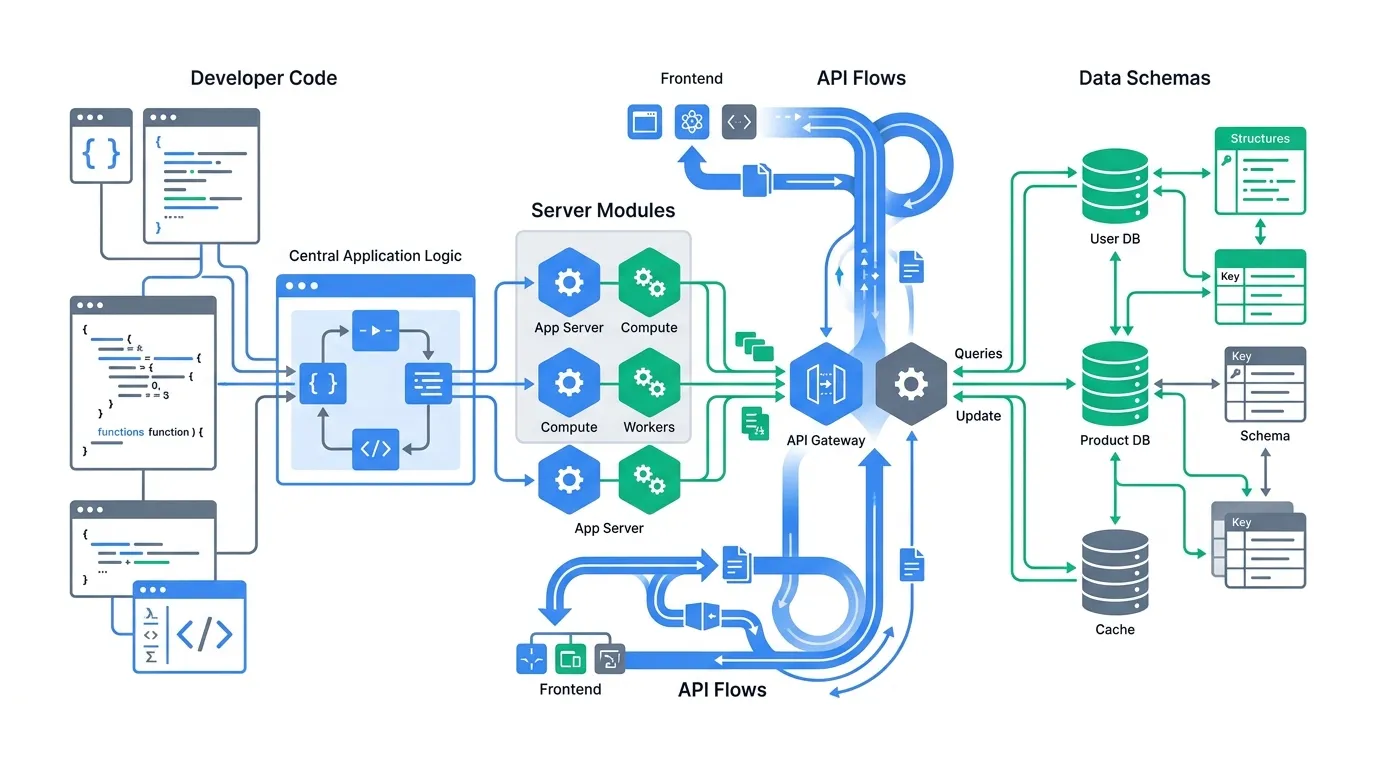
A custom software development company engineers, tests, and deploys tailor-made applications to solve complex business processes that off-the-shelf software cannot support. By partnering with a dedicated custom engineering team, you own your source code, eliminate recurring user license markups, and build software tailored to your specific workflow.
System architects and startup founders know the bottleneck.
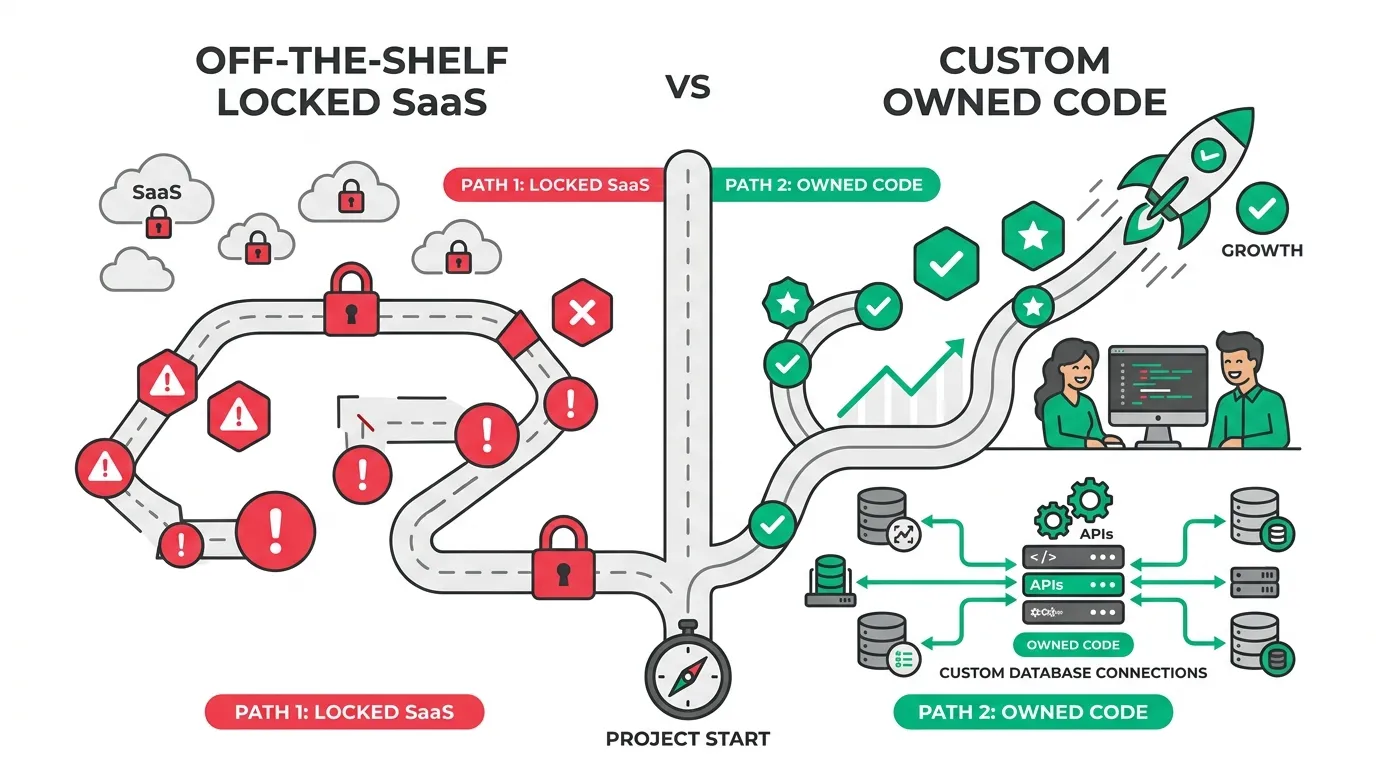
Off-the-shelf platforms solve 80% of your operational problem but lock you out of the remaining 20% that defines your product's competitive advantage.
Forcing pre-built platforms to fit unique business logic leads to database bloat, API friction, and severe performance bottlenecks. By choosing a specialized engineering partner, you own your software intellectual property, unlock rapid performance scaling, and bypass ongoing subscription fees.
At Keyng Dev, we build high-performance web applications, TON blockchain mini-games, and custom AI systems. Whether you need a full-stack Next.js MVP or an enterprise backend overhaul, our custom development services deliver production-grade software built for scale under complete client ownership.
Key Takeaways
- 100% IP ownership: Building custom means zero vendor lock-in, zero monthly user licensing markups, and full source code control.
- Next.js & Postgres architecture: Modern stack choices guarantee sub-second page loads, clean API boundaries, and type-safe data schemas.
- BYOK infrastructure: Integrating Bring Your Own Keys (BYOK) model APIs reduces ongoing operational AI compute costs by up to 80%.
- Accelerated MVP launches: Deploying validated products in 4 to 8 weeks by leveraging production-ready white-label boilerplates.
Why Off-the-Shelf Software Fails
Standard CRM, ERP, or SaaS tools are built for generic use cases across millions of users.
They fail when your business requires unique logic, custom API integrations, or high-throughput transaction processing. Forcing a pre-built platform to support a proprietary workflow results in fragile integration scripts, escalating subscription fees, and database limitations.
An agency client came to us in late 2025 after their team spent four hours every day manually copy-pasting content across fragmented SaaS tools. They battled rate limits and lost formatting, only to produce generic output that failed to capture search intent.
When they hired us as their custom engineering partner, we replaced their manual data-entry flow with a self-hosted PostgreSQL dashboard and automated API pipeline. The system eliminated manual copy-pasting entirely, saving their editorial team 15 hours per week.
Hosted SaaS Subscription ($500/mo + seat markups) ████████████████████████ $6,000 / year
Self-Hosted Custom Build (Raw utility API costs) █ $1,200 / year
Hosted SaaS writing platforms often charge credit markups of up to 500% over raw API costs. If you publish more than 10 pages a week, you are overpaying. Moving to a custom self-hosted system allows you to pay raw utility fees directly to model providers, reducing operational costs by 80%.
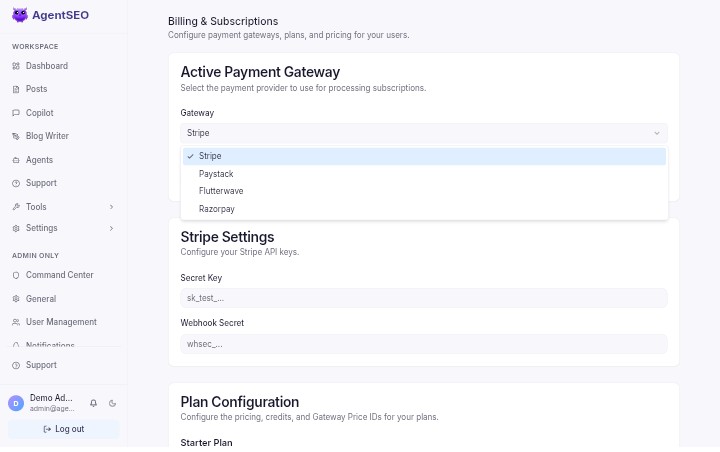
Want to see how we bypass standard development timelines? Explore our custom software development services or inspect our team's credentials on the Keyng Dev About page.
Custom Software Development Company Process
We build software using a high-velocity engineering loop.
Instead of spending months writing static specification documents and running endless committee meetings, our engineers focus on rapid prototyping, type-safe schema design, and continuous automated deployments.
Here is how our custom software engineering pipeline operates across four core phases:
- Product Discovery: We scope API routes, define system entities, and establish database constraints to prevent schema drift.
- System Architecture: Our engineers design type-safe schemas, Redis queue controls, and serverless edge functions.
- Application Engineering: We build responsive interfaces using Next.js, leveraging our verified white-label boilerplates.
- Production Deployment: We deploy to optimized Linux VPS or edge servers, configuring Docker containers, SSL certificates, and automated database backups.
Discovery and Project Planning
Every successful project begins with systematic discovery.
We do not write code until we map out your database entities, user journeys, and external API integrations. Defining the relationship between your data models early ensures your database scales cleanly without mid-project refactoring.
We map out API request-response patterns, authorization boundaries, and background job requirements. This upfront technical blueprint ensures our engineering squad and your business stakeholders share a unified roadmap from day one.
Architecture and Database Design
A scalable application requires a type-safe, normalized database architecture.
We rely on PostgreSQL for complex relational data and Redis for high-speed caching and background queue management. Enforcing foreign key constraints, column indexes, and strict field validation prevents data corruption as user traffic scales.
| Database Layer | Technology Choice | Operational Focus |
|---|---|---|
| Multi-Tenant Mapping | PostgreSQL 15 | Relational data persistence with strict tenant UUID isolation |
| Index Strategy | B-Tree & Hash Indexes | Accelerated query lookups on high-frequency tenant foreign keys |
| In-Memory Cache | Redis 7 | High-concurrency queue storage & session state management |
| Schema Validation | Zod & TypeScript | Type-safe API payload enforcement before database insertion |
Type-Safe Next.js Application Setup
Type safety prevents runtime crashes and accelerates feature development.
We build application backends using Next.js App Router and validate incoming API payloads with Zod. This design pattern ensures malformed API requests are rejected at the edge before hitting your database, protecting system integrity.
Using this architecture, our clients enjoy sub-second response times and clean codebases. Applications built on Next.js deliver up to 60% faster page loads than legacy PHP or monolithic CMS equivalents, directly improving user retention and SEO performance.
Turnkey White-Label Software Solutions
We do not believe in reinventing foundational infrastructure.
If you are building a subscription platform or Web3 application, we accelerate your launch using our battle-tested boilerplates. For example, AgentSEO, our white-label AI content marketing platform, provides a turnkey business-in-a-box complete with built-in subscription billing adapters for Stripe and Paystack.
Likewise, Keyng Koin, our Telegram Tap-to-Earn game template, enables rapid TON Connect 2.0 Web3 integrations, saving hundreds of hours of manual smart contract and queue development.
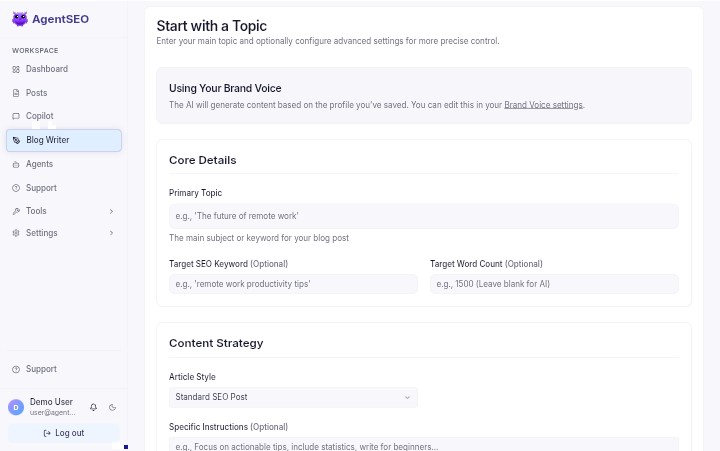
Ready to launch your Next.js MVP? Learn how our Full-Stack SaaS MVP Plan takes you from concept to production in under 8 weeks.
Database Scale and Performance Tuning
Handling high-concurrency traffic requires more than clean frontend code.
It demands optimizing database connection pools, setting up read replicas, and caching frequent queries in memory. If your application handles thousands of actions per second, direct synchronous database writes will cause table locks and crash your server.
A Web3 gaming client came to us in March 2026 after launching their tap-to-earn game template on Telegram. They initially executed direct SQL writes on every user tap. Within 48 hours, active players spiked to 45,000, causing severe PostgreSQL lock contention and crashing the application.
We refactored their application data layer to use a Redis cache layer and BullMQ background queues. This queue architecture reduced active database connection pool requirements by 90% and handled over 100,000 taps per minute without a single server drop.
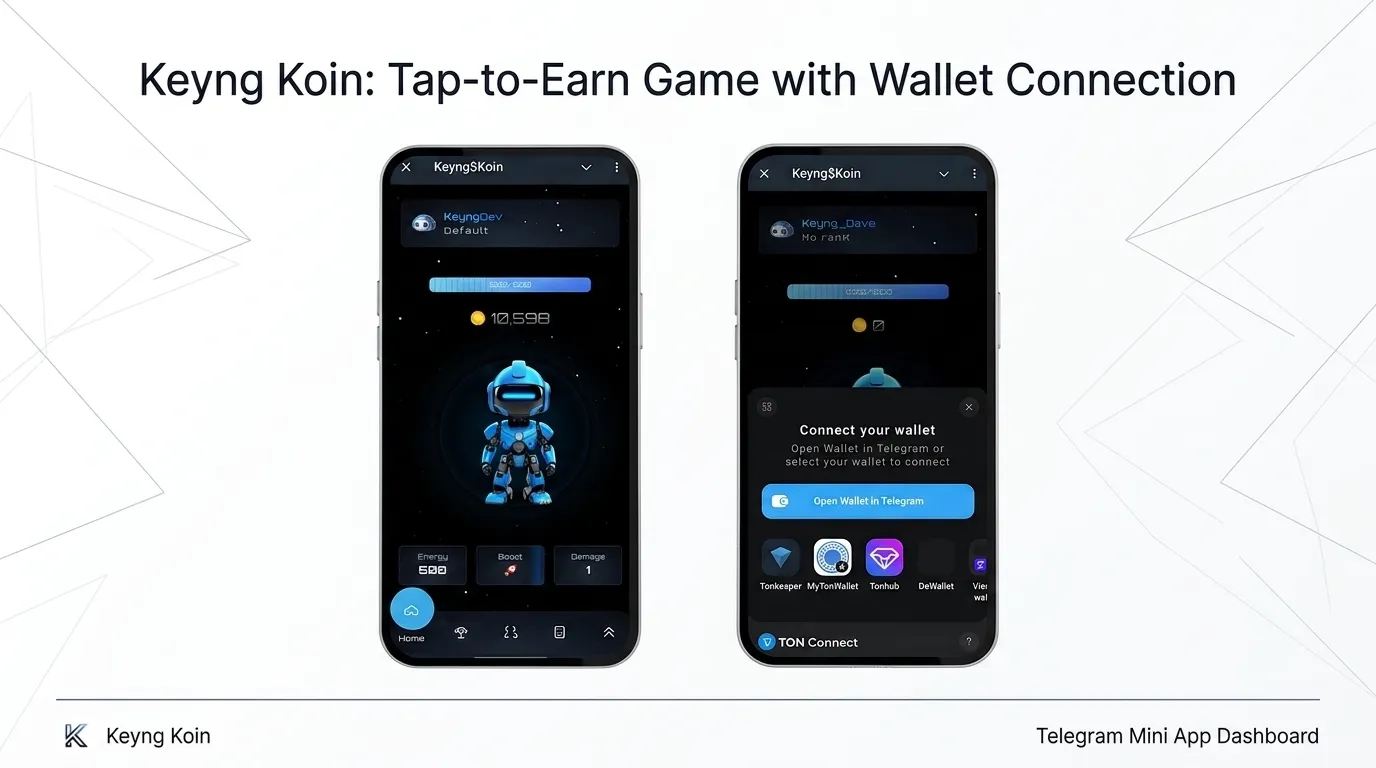
Using Redis for in-memory storage and BullMQ for background tasks ensures your application frontend stays responsive. Instead of waiting for database writes to complete, the client pushes the task to a queue and receives an immediate success response.
Hiring a Custom Software Development Company
Choosing a custom software development partner is a long-term strategic investment.
You must evaluate candidate agencies based on source code transparency, infrastructure competence, and portfolio depth rather than polished slide decks. Look for a custom software development agency that shares functional code repositories, explains database schema design, and provides direct access to developers.
We offer transparent pricing structures and concrete service plans to keep you in complete control:
- VPS Installation Plan ($150 setup): Ubuntu server tuning, Docker setups, PostgreSQL/Redis configurations, and cron setups.
- AI Automation Setup ($500+ project base): RAG pipelines, API integrations, and WhatsApp or Telegram copilots.
- SaaS Customization Plan (Custom Quote): Payment adapters, custom UI layouts, and bespoke workflows added to existing boilerplates.
- Full-Stack SaaS MVP Plan (Custom Quote): End-to-End development of high-performance web apps built on Next.js, PostgreSQL, and serverless stacks.
A SaaS founder came to us after spending $14,000 on pre-built software templates, only to find himself locked out of his user data by a proprietary vendor gate. He partnered with Keyng Dev for a custom Next.js MVP build.
Our team refactored his backend into a type-safe API structure with full source code ownership. Not only did he eliminate $300 in monthly developer subscription fees, but he also successfully pitched his platform to investors, securing $150,000 in seed funding because he owned 100% of his intellectual property.
Proprietary Template Vendor (Locked code, vendor gates) ❌ Zero IP Value
Keyng Dev Custom MVP Build (100% Code Ownership) ✅ $150,000 Seed Funding Secured
Working with Keyng Dev means bypassing vendor lock-in entirely. You own every line of code we write, running on your own servers and API keys.
If you need multi-platform mobile coverage, read our guide on custom mobile software development to explore hybrid React Native and Flutter architectures.
Frequently Asked Questions
What does a custom software development company do?
A custom software development company builds tailor-made software applications engineered for your specific business logic. Unlike standard SaaS providers, a custom developer delivers a codebase you own completely, allowing you to build unique API integrations, optimize database performance, and eliminate ongoing user licensing fees.
How much does custom software cost?
Custom software costs depend on your application scope. Server configuration under our VPS Installation Plan starts at a flat $150 setup fee. Developing a custom MVP, integrating RAG database pipelines, or building high-concurrency Telegram Mini App scripts ranges from a $500 project base to custom quotes tailored to your project milestones.
Why build a custom MVP instead of buying a template?
Building a custom MVP ensures you own your core intellectual property, which is essential when seeking investor funding or scaling operations. It allows you to build custom user experiences, scale your database without vendor restrictions, and use a Bring Your Own Keys (BYOK) model to reduce operational AI costs by up to 80%.
How long does custom development take?
A typical custom MVP takes between 4 and 8 weeks from kickoff to production deployment. By leveraging our pre-built white-label boilerplates for user management, billing adapters, and agent pipelines, we reduce standard development timelines by over 50% while maintaining production-grade security.
Who owns the software code?
You retain 100% ownership of all source code, database models, and intellectual property. We deploy directly to your virtual private servers and deliver full Git repository access to your team upon completion, ensuring zero vendor lock-in.
Conclusion
Hiring a custom software development company is the fastest path to building scalable, high-performance software applications.
By focusing on modern tech stacks, normalized database design, and type-safe Next.js structures, you establish a sustainable technical foundation for your business. Whether you are launching a tap-to-earn Telegram mini-game or deploying an autonomous AI content platform, owning your source code guarantees long-term viability and eliminates third-party licensing markups.
Ready to build your next application under full code ownership? Explore our custom development services, book a flat-rate $150 VPS Installation Plan, or contact our engineering squad to discuss your scaling goals.